
All Posts
7 min read
Supply Chain Finance: How It Works, Key Benefits, and Where FundingSearch Fits In
Published on 26 October 2026
UK SMEs tied to large buyers often wait 60 to 90 days for payment on approved invoices. Supply chain finance lets those suppliers receive early payment by borrowing against the buyer's credit strength, not their own. The result: better cash flow for the supplier and extended payment terms for the buyer, without a traditional bank loan.
Compare supply chain finance options in minutes
FundingSearch is a UK-based commercial finance platform founded in 2025 in Sheffield. It connects SME borrowers, commercial finance brokers, and lenders through an AI-driven matching engine that covers seven asset classes, including supply chain finance, trade finance, and invoice financing. Rather than approaching banks one by one, users compare supply chain finance providers and related cash flow solutions from a single platform.
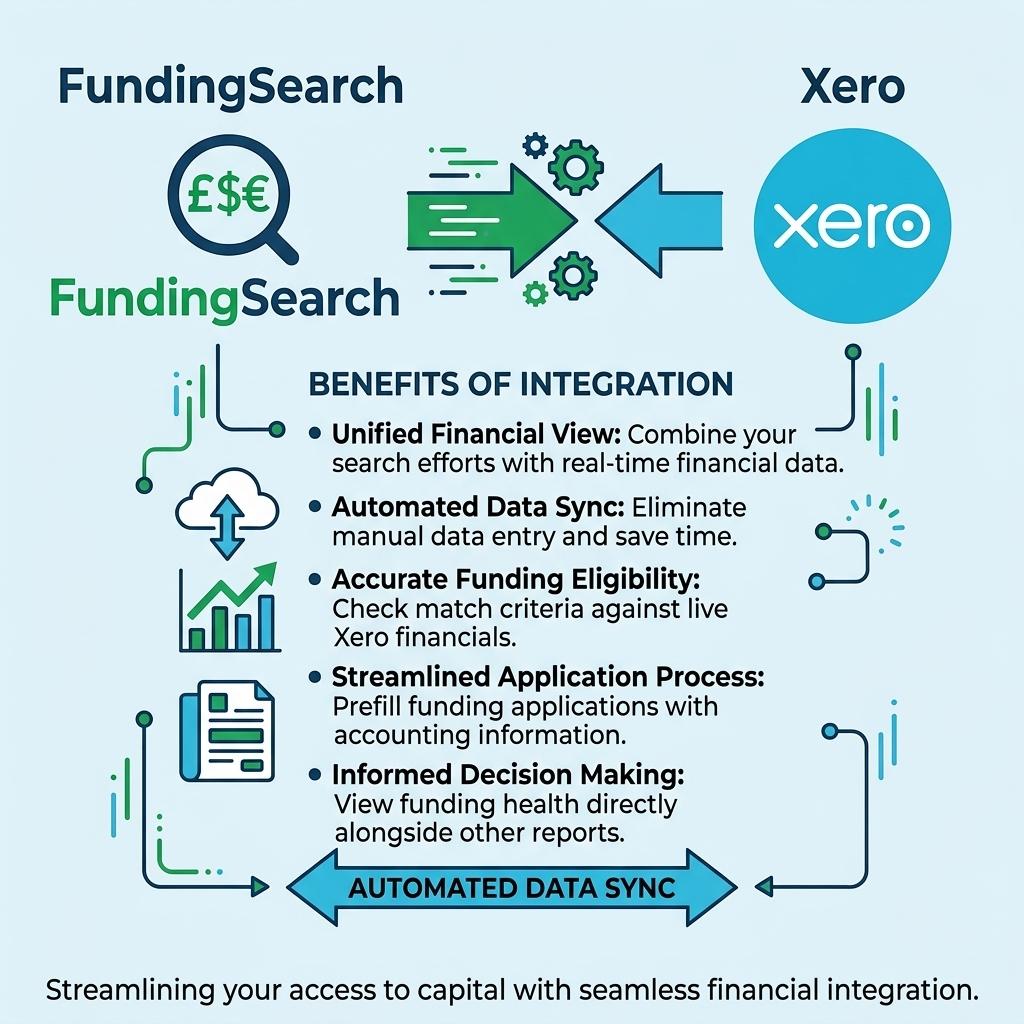
Brokers and advisers connect verified financial data from Xero, Sage, and Companies House to originate deals faster using the FundingSearch SME lending deal origination platform. Supply chain finance optimizes working capital for buyers and suppliers; FundingSearch helps both parties find the right lender for that process.
What users can do on the platform:
- Compare offers from multiple supply chain finance providers, invoice finance lenders, and trade finance firms in one dashboard
- Check eligibility using real company data (turnover, credit history, financial records)
- Connect with lenders who specialise in buyer-led financing (reverse factoring) and supplier-led invoice discounting
- For brokers: generate pre-qualified leads, view lender pricing, manage documentation through workflow pipelines
What is supply chain finance?
Supply chain finance (SCF) is a buyer-led form of business finance where a third-party lender pays the supplier early, and the buyer pays the lender later at invoice maturity. It is also known as reverse factoring or approved payables financing. The key components of supply chain finance include buyer financing, supplier relationships, and liquidity providers.
SCF sits within a wider set of supply chain financing tools: trade finance (letters of credit, import/export risk), purchase order finance, invoice finance, and inventory finance. What sets SCF apart is that it is initiated by the buyer, not the supplier. The buyer's credit rating determines the financing cost for suppliers, which is why suppliers receive lower-cost funding than they could source capital for through overdrafts or traditional factoring.
Key characteristics:
- Buyer-led: a large corporate or public sector entity with a strong credit rating anchors the programme
- Based on approved invoices: the supplier delivers goods, the buyer approves the invoice, and only then does the funder disburse
- Unsecured advance for suppliers: credit risk sits with the buyer, so the supplier typically provides no additional collateral
- Improves cash flow on both sides: supply chain finance allows suppliers to receive early payments while buyers preserve their own liquidity
- Domestic and international: SCF works across the global supply chain, not only import/export transactions
Reverse factoring originated in Spain in the late 1980s under the name "confirming," created by Santander to address 90-day payment terms during high inflation. Only about 7% of large UK businesses currently offer reverse factoring to their suppliers, according to a BEIS survey cited by London Business School.
How does supply chain finance work in practice?
Three parties are involved: the buyer (usually a mid-market or large corporate), the supplier (often an SME), and the financial institution providing liquidity (a bank, non-bank lender, or fund). Supply chain finance is initiated by the buyer, who sets up the programme with the lender and invites suppliers to enrol.
Here is a concrete example. A UK retailer with 60-day payment terms issues a purchase order to an SME manufacturer on 1 May. The supplier delivers goods on 20 May and submits an invoice. The buyer approves the supplier's invoice on 25 May. Under SCF, the supplier requests early payment and receives funds on 30 May at a small discount (for example, 2-3% annualised pro rata). On the original due date (20 July), the buyer pays the full invoice face value to the finance provider.
Step-by-step timeline:
- Order: buyer issues purchase order to supplier
- Delivery: supplier delivers goods or services and submits an invoice
- Approval: buyer approves the invoice on its SCF platform, confirming the liability
- Early payment: finance provider pays the supplier within days, minus a small fee
- Settlement: buyer pays the lender on the original maturity date
For the buyer, SCF liabilities are typically recorded as trade payables rather than new bank debt on the balance sheet. Onboarding usually starts with 30 to 50 key suppliers chosen for invoice volume and reliability. Digital platforms in supply chain finance automate invoice approval and payment processing, reducing manual paperwork and speeding up the entire transaction cycle.
Benefits of supply chain finance for buyers and suppliers
Supply chain finance improves cash flow for both buyers and suppliers. Suppliers benefit from lower financing costs than traditional factoring because the rate is set by the buyer's credit rating. Buyers gain the ability to extend payment terms without damaging the supplier relationships they depend on.
- For buyers: extend payment terms from 30 to 60 or 90 days while preserving supplier liquidity. This shortens the cash conversion cycle, freeing working capital for other uses. Buyers also gain greater negotiating power with suppliers through SCF, and they reduce days sales outstanding risk across their supply chain.
- For buyers (risk reduction): supply chain finance reduces the risk of supply chain disruptions. A supplier struggling with late payments is more likely to miss deliveries or fail entirely; SCF addresses that before it becomes a problem.
- For suppliers: receive early payment, improving cash flow. Suppliers benefit from lower-cost funding compared to traditional financing; overdrafts and factoring facilities for small firms can charge 5-15% per annum or more. Suppliers receive lower-cost funding through supply chain finance because the rate reflects the buyer's credit, not their own. That frees cash to invest in growth or offer better terms to customers.
- For suppliers (stability): supply chain finance helps reduce the risk of supplier insolvency and production disruptions. A good relationship between buyer and supplier is strengthened when neither side is squeezed on payment timing.
- Cross-supply-chain: fewer failed deliveries, more stable production cycles, and stronger long-term supplier relationships across the chain.
- vs. other business finance: the financing cost in supply chain finance is often lower than traditional small-business loans. SCF is also more flexible than fixed-term loans because financing happens on an invoice-by-invoice basis.

Supply chain finance vs other cash flow solutions
SCF is one of several tools to manage cash flow. Each suits a different situation, and the competitive dynamic between them depends on who initiates the financing, whose credit backs it, and how goods are paid for.
- Invoice finance / factoring: supplier-driven. Factoring requires suppliers to sell their invoices to a third party. Factoring typically provides up to 80% of invoice value as an advance, with the rest paid (minus fees) after the buyer settles. The supplier sells outstanding invoices and the factor often manages collections. Cost depends on the supplier's credit, not the buyer's.
- Trade finance: relevant when goods cross borders or are in transit. Involves letters of credit, open account trade settlement, and currency risk management. Banks manage cross-border risk and documentation. Learn more in our trade finance guide.
- Trade credit: the supplier extends payment terms directly to the buyer with no third-party funding. The supplier bears the credit risk and the working capital pressure.
- Dynamic discounting: the buyer pays early using its own surplus cash in exchange for a variable discount on the invoice. No lender is involved. Useful when buyers are cash-rich and want a return on spare liquidity.
- Control differences: SCF and dynamic discounting are buyer-driven. Invoice finance and factoring are supplier-driven. Trade finance often involves a bank managing risk between two parties in separate countries.
When to choose which:
- Volatile order book with many buyers → invoice finance
- Concentrated exposure to one or two large, creditworthy buyers → supply chain finance
- Cash-rich buyer wanting to pay suppliers early without a lender → dynamic discounting
- Cross-border goods movement with settlement risk → trade finance
Supply chain finance programs use various funding structures like reverse factoring and dynamic discounting; the right form depends on transaction size, buyer strength, and supplier needs.
Types of supply chain finance programmes
"Supply chain financing" covers several programme types. Each differs in who provides the capital, how pricing works, and which parties benefit most.
- Classic reverse factoring: buyer-initiated. A financial institution funds early payments to enrolled suppliers. The lender prices risk based on the buyer's credit. This is the most common form of SCF.
- Dynamic discounting programmes: buyer uses its own cash to pay suppliers early in exchange for a sliding-scale discount. No external lender is involved. Pricing varies by how early the supplier is paid.
- Multi-funded SCF platforms: multiple banks and alternative lenders provide liquidity on a single platform. PrimeRevenue, for example, operates in over 100 countries with nearly 60,000 enrolled suppliers and more than 105 funding partners. This model supports large, global supply chain programmes with multi-currency and multi-region needs.
- Sustainable supply chain finance: suppliers meeting ESG criteria (verified carbon reporting, fair labour standards) receive lower cost financing or pricing incentives. Demand for these programmes is growing in the UK and EU.
- Unsecured supply chain finance: advances without additional collateral beyond the buyer's payment undertaking. The supplier assigns the invoice; the finance provider assumes the buyer's credit risk.
Technology platforms now onboard hundreds of suppliers through self-service portals integrated with ERP systems. In the UK market, mid-market buyers increasingly combine SCF with trade finance and inventory funding to cover gaps across the full supply chain.
How technology and marketplaces are changing supply chain finance
SCF was once managed through bespoke bank contracts, manual invoice handling, and paper documentation. Fintech platforms have replaced that process with automated workflows, self-service supplier portals, and real-time data feeds.
- Digital platforms automate invoice approval, early payment offers, and settlement tracking. Suppliers log in, view approved invoices, and request funding with transparent pricing.
- Open finance integrations with Xero, Sage, and ERP systems let lenders verify invoice authenticity and assess financial health using live data, reducing fraud risk and speeding up underwriting.
- The UK SCF platform market generated approximately US$517 million in revenue in 2025, with a forecast CAGR of 9.6% through 2034.
- FundingSearch acts as a commercial finance lending and deal origination platform: brokers and UK businesses compare supply chain finance solutions, trade finance, and invoice finance providers from one interface.
- AI matching algorithms route each case to the supply chain finance providers most likely to approve, based on buyer credit strength, supplier financials, and deal size. This commercial lending software gives SMEs access to a wider choice of chain finance solutions and saves brokers hours of manual lender outreach.
- Funding decisions remain with lenders. Marketplaces like FundingSearch build better-qualified deal pipelines; they do not replace lender credit assessment.
Brokers using the platform maintain a clear audit trail, track application stages, and store verified documents in one place, giving confidence to both the lender and the borrower while leveraging multi-product finance sourcing software for brokers.

Is supply chain finance right for your business?
SCF works best where at least one large, credit-strong buyer anchors the programme and a group of smaller suppliers face cash flow gaps. Effective implementation of supply chain finance requires cross-departmental collaboration within a business; procurement, finance, and operations all need to align.
Indicators that SCF may fit:
- Your business buys from a concentrated group of suppliers in manufacturing, construction, retail, or wholesale
- Suppliers regularly ask for earlier payment, higher credit limits, or shorter terms
- You want to extend your own payment terms to protect working capital without damaging supplier relationships
- You already use or are considering trade finance, inventory finance, or invoice finance and want a more joined-up supply chain finance solution
Potential constraints:
- Limited buyer credit strength or weak financials make SCF expensive or unavailable
- Very fragmented supply chains with many micro-suppliers and low invoice values increase onboarding cost and complexity
- Internal system or data limitations (no digital accounts payable workflow, no ERP linkage) slow integration with SCF platforms
- Clear governance and valid contracts are essential for managing supply chain finance programs; the Greensill collapse in 2021 triggered scrutiny over whether reverse factoring was masking liabilities
Businesses and brokers can use FundingSearch to explore supply chain finance alongside other financial solutions through a business and commercial lending platform, with advice tailored to sector, size, and existing facilities.
Next steps: Using FundingSearch to explore supply chain finance
Supply chain finance is one part of a broader working capital strategy. Combining it with trade finance, invoice financing, asset finance, or term business loans gives UK mid-market companies a more complete funding structure.
A typical FundingSearch journey for chain finance works like this: enter your company details, connect financial data from Xero or Sage (optional but recommended), describe your supply chain and cash flow challenges, and receive matched options from relevant lenders. If SCF is not a fit, the platform surfaces alternatives: invoice finance, trade finance, asset-based lending, or unsecured business loans and other UK business loan options.
Brokers and professional advisers use FundingSearch to originate SCF and related deals with a consistent process, a clear audit trail, and support across multiple asset classes. The market for supply chain finance in the UK is growing. Alternative lending platforms and non-bank lender networks are making it easier for mid-market companies to build more resilient supply chains and financing structures. Start comparing your options on FundingSearch today.