

All Posts
3 min read
Best Commercial Finance Broker Platforms in 2026
Published on 7 August 2026
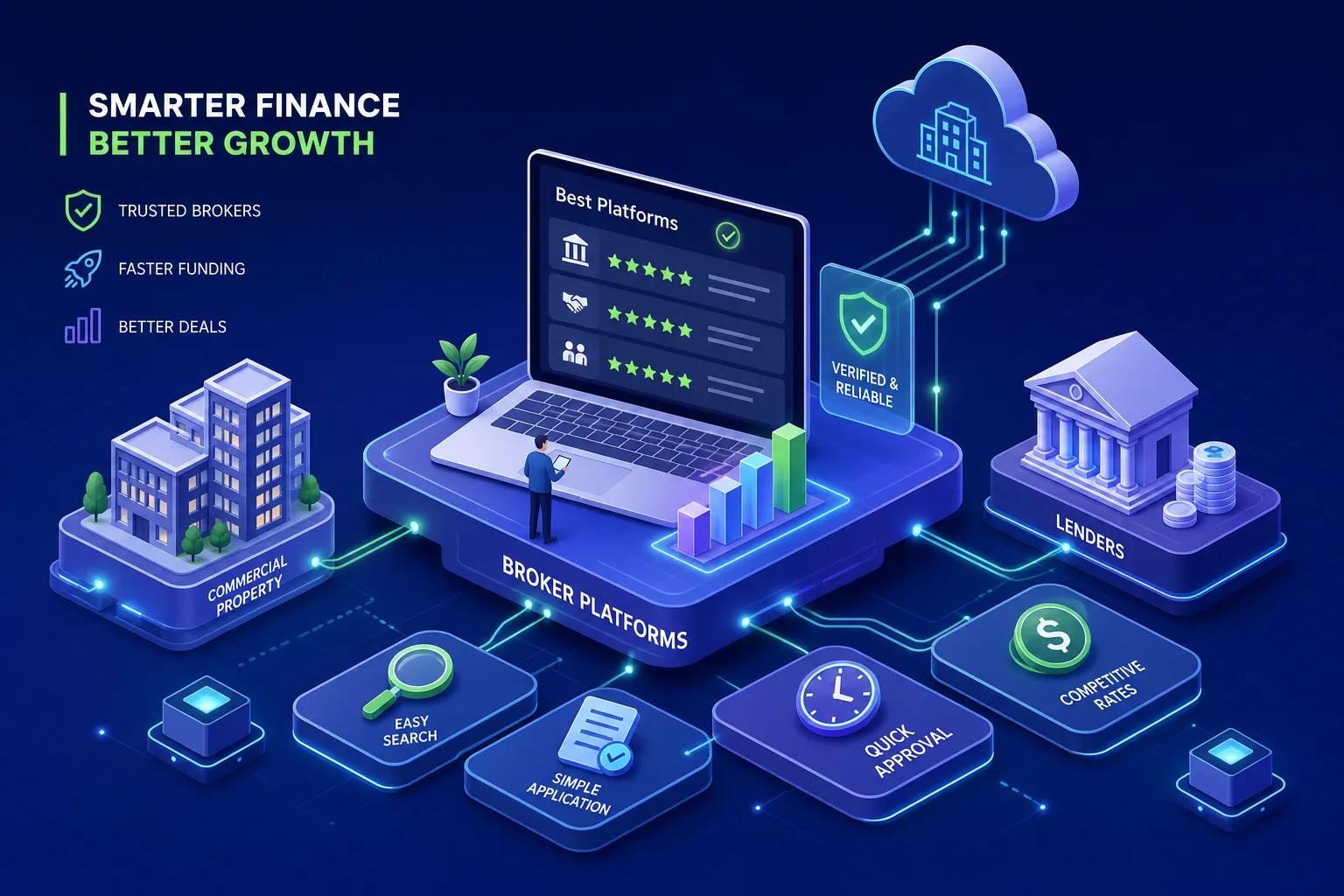
Many brokers report that a significant share of their working day disappears into form-filling and document chasing rather than advising clients and closing deals. The problem is not effort or knowledge; it is infrastructure. When your workflow relies on email threads, spreadsheets, and manual lender selection, your capacity ceiling arrives faster than it should. Choosing the right commercial finance broker platform is, therefore, less a software decision and more a structural one.
This guide is written for brokers who are actively evaluating a commercial finance broker platform in 2026 and want to make a well-informed decision rather than a hasty one. By the end, you will have a clear shortlist framework, a grasp of the features that genuinely differentiate platforms, and a set of questions to take into every vendor demo. One benchmark worth keeping front of mind throughout: the right platform should get a new client onboarded and packaged quickly and efficiently. FundingSearch is built specifically to achieve that. Every other option in this guide should be judged against it.
What a commercial finance broker platform actually does
Many brokers conflate three different tools: a CRM, a lender aggregator or marketplace, and a genuine origination platform. Each serves a distinct purpose, and confusing them leads to choosing the wrong one. A CRM tracks relationships and manages your pipeline. A lender marketplace surfaces loan products for borrowers to compare directly. A commercial finance broker platform does something structurally different: it manages your origination workflow from client data capture through to pre-qualification, lender matching, and submission.
Why a CRM is not built for commercial lending origination
A CRM is a relationship tool, not a workflow engine. It stores contacts, logs calls, and prompts follow-ups. What it does not do is pre-qualify borrowers against lender credit criteria, pull verified financial data from accounting software, or route cases to the right lender automatically. Brokers who rely solely on a broker CRM for commercial lending fill those gaps manually, usually through a combination of spreadsheets and email, which is exactly where deal time leaks away.
How aggregators differ from broker-facing origination platforms
Aggregators are built around the borrower, not the broker. The borrower applies, the aggregator matches them to a lender panel, and the broker's advisory role is largely bypassed or diminished. A genuine commercial broker software solution keeps you at the centre of the process: it structures and accelerates your advisory workflow rather than routing deals around you. That distinction matters for client relationships, for your fee model, and for the quality of deals you can place.
The structural difference that changes your annual capacity
When a platform handles data capture, verification, and lender routing in a structured sequence, you can manage more cases without adding hours. Consider what that means in practice: instead of manually transferring figures from a client's accounts into a lender application form, the platform retrieves and structures that data automatically, so your input shifts from administration to advisory. That is the practical argument for investing in proper origination infrastructure rather than patching together a CRM with bolt-on tools.
Five features every commercial finance broker platform must have in 2026
Not all platforms deliver the same depth. Some are little more than a lender directory with a digital application form attached. The features below distinguish infrastructure-grade platforms from lighter tools that look capable until you run a complex commercial case through them.
Structured submission workflows with data pre-population
The most time-consuming part of a broker's day is gathering and re-entering client financial data. Any platform worth using in 2026 should connect directly to Companies House, Xero, Sage, FreshBooks, or comparable accounting software to pull verified figures automatically. That single integration produces a substantial reduction in form-filling time on a standard limited company application, which compounds significantly across a full caseload.
Intelligent lender matching built around credit appetite
A large lender panel is not the same as smart lender routing. What matters is whether the platform can match a borrower's profile to a specific lender's eligibility criteria, filtering by loan size, sector, geography, turnover, and credit profile. This kind of intelligent matching, whether delivered through rules-based scoring, weighted eligibility logic, or machine learning models, is the difference between a genuine loan origination system for brokers and a glorified directory. Sending a case to the wrong lender wastes everyone's time and erodes the trust you have built with lenders over years of placing deals.
Verified financial data delivered directly to underwriters
The best platforms go further than connecting borrowers and lenders; they pre-qualify the deal first. Two to three years of verified accounts, pre-populated and structured, should accompany the lender submission rather than being requested afterwards. As a matter of best practice, this approach gives underwriting teams greater confidence in the data quality from the outset, which tends to speed up approvals and reduce unnecessary back-and-forth.
GDPR-compliant data processing with a full audit trail
Brokers hold sensitive client data and operate in a regulated environment. The platform you choose must have clear data residency policies, secure processing infrastructure, and an auditable record of every data access and submission event. This is non-negotiable for any broker operating under FCA authorisation or as an appointed representative. Vague answers on data residency at the demo stage are a meaningful red flag.
How the right platform cuts submission time dramatically
Some brokers report spending two to four hours per case on data gathering, form completion, document chasing, and lender selection for more straightforward cases, though the range varies considerably depending on deal complexity. Multiply that across twenty or thirty active cases and capacity becomes the binding constraint on growth. The right platform attacks every one of those bottlenecks in sequence rather than leaving them as manual tasks.
Where brokers lose the most time on a single case
The biggest time sinks are not complex analytical tasks: they are repetitive data entry, back-and-forth document requests, and trial-and-error lender selection. Each of those is a workflow problem, not a knowledge problem. That means each of them is solvable with the right infrastructure, and none of them should still be a manual process in 2026.
Choosing a commercial finance broker platform: what fast onboarding looks like in practice
FundingSearch's structured broker submission workflow illustrates what infrastructure-grade origination platforms can achieve. By connecting directly to Companies House and major accounting software, the platform pulls verified company data automatically, enabling brokers to onboard a new client and package their case in a fraction of the time a manual process would require. That speed is not incidental; it is the direct result of deep data integrations that eliminate the most repetitive steps in the origination process. For every other platform you evaluate, ask vendors to demonstrate a comparable end-to-end onboarding sequence. If they cannot show you a structured, fast journey from first data entry to lender submission, you are looking at a lighter tool than you need.
The compounded effect on your annual deal pipeline
To illustrate the point with rough numbers: if a platform saves you three hours per case across 30 cases a year, that is 90 hours returned to advisory work, business development, and client relationships. For a solo commercial finance broker, that difference is meaningful. For a firm managing 100 or more cases annually, it is transformative, and it shows directly in revenue per fee earner. Treat these figures as illustrative rather than guaranteed, actual savings will depend on your current workflow and deal mix.
Platforms worth shortlisting in 2026
The UK market has a mix of marketplace-style tools and genuine origination platforms. Understanding where each sits on that spectrum helps you avoid paying for features you do not need or, more commonly, choosing a tool that looks capable but cannot handle complex commercial cases at volume. The platforms below represent different points on that spectrum, from white-label broker platform solutions to borrower-facing comparison tools.
FundingSearch: origination infrastructure with no network lock-in
FundingSearch occupies a distinct position among UK commercial broker software options. It operates as pure origination infrastructure: brokers get a structured submission workflow, intelligent lender matching, and direct accounting software integrations, without being locked into a proprietary lender network. Lenders retain full autonomy over their relationships, pricing, and commission structures, according to the vendor's stated model. That approach is particularly valuable for brokers placing deals across multiple commercial verticals, from asset finance and bridging loans to invoice finance and commercial mortgages. The subscription model, where brokers keep 100% of their commission and pay a predictable platform fee for unlimited deals, keeps margin visibility clean.
Swoop and Funding Options: marketplace tools with a different design intent
Swoop and Funding Options are widely recognised comparison-style platforms in the UK commercial finance space. Both offer broad lender access and digital eligibility checks, and they serve as useful entry points for borrowers navigating the market independently. They are not, however, built around the broker's submission workflow in the way a dedicated loan origination system for brokers is. For brokers managing complex cases or seeking to differentiate on advisory quality, they function better as supplementary sourcing tools than as a primary platform for deal origination and packaging.
Matching the platform to your deal mix
A broker placing mainly straightforward unsecured business loans has different infrastructure needs than one handling bridging, commercial mortgages, or specialist asset finance. Before committing to any commercial mortgage broker platform or broader origination solution, map your typical case types against the platform's lender matching logic. Depth of eligibility filtering matters far more than raw panel size when you are placing cases in specific sectors or deal structures.
Pricing models, compliance controls, and questions to take into every demo
Platform costs in commercial finance vary significantly, and the pricing model often carries implications for your margins that are not obvious upfront. Compliance and data security controls are equally important, and they are areas where brokers frequently under-question vendors during the evaluation process, only to face difficulties later.
Commission-based, subscription, and hybrid pricing explained
Some platforms earn through lender commission on completed deals, others charge brokers a monthly or annual subscription, and some use a hybrid of both. Commission-based pricing can appear cost-free upfront, but it creates incentives that may not always align with placing the best deal for your client. Subscription models give you predictable costs and cleaner margin visibility. Based on current platform listings, broker platform subscriptions in the UK range from approximately £32 per month for entry-level access, Brickflow being one example at that price point, to higher tiers for enterprise features, with some platforms adding per-application or per-user charges. Know exactly which model you are committing to before you sign, and understand what happens to your margin on high-value deals under a commission-sharing arrangement.
FCA-relevant controls and GDPR compliance to verify
Ask every vendor to confirm: Where is client data stored, and is it hosted within the UK or EEA? Do they maintain a full audit log of every data access and submission event? Are their processing activities GDPR-compliant and documented in a data processing agreement? Does the platform support data deletion requests in line with data subject rights? These are not edge-case questions for regulated brokers; they are baseline hygiene checks. If a vendor is vague on data residency or cannot produce a data processing agreement promptly, take that as a clear indicator of how seriously they approach compliance more broadly.
Your pre-demo checklist for shortlisted platforms
Prepare these questions before any vendor demonstration. They will expose real capability within 30 minutes:
- How long does a standard client onboarding take from first data entry to lender submission, and can you show me that journey live?
- Which accounting software and Companies House integrations are live today, not on the roadmap?
- How does your lender matching logic work, and can I filter by sector, loan type, geography, and credit profile simultaneously?
- What does your lender network look like across my primary deal verticals?
- What is the full pricing model, including any commission-sharing arrangements or completion fees?
- How do you handle GDPR data subject requests, and can you produce your data processing agreement now?
Choosing the right commercial finance broker platform is a structural decision
Evaluating a commercial finance broker platform in 2026 is not about finding the tool with the longest lender list or the most polished interface. It is about finding infrastructure that structures your workflow, reduces submission time, and routes deals to lenders who are genuinely likely to fund them.
FundingSearch's fast onboarding workflow, intelligent lender matching, and clean subscription pricing represent what that infrastructure looks like in practice. Use the feature criteria and demo checklist in this guide to stress-test every platform you evaluate. If a vendor cannot show you a clear, fast, structured submission journey from client data capture to lender routing, you already have your answer.
The right platform does not just save you time; it directly expands the number of clients you can serve well, one of the most reliable ways to grow a commercial finance practice sustainably. Explore FundingSearch to see the workflow for yourself.