

All Posts
6 min read
Payday Loans for Business Owners: Smarter Ways to Manage Cash Flow
Published on 6 October 2026
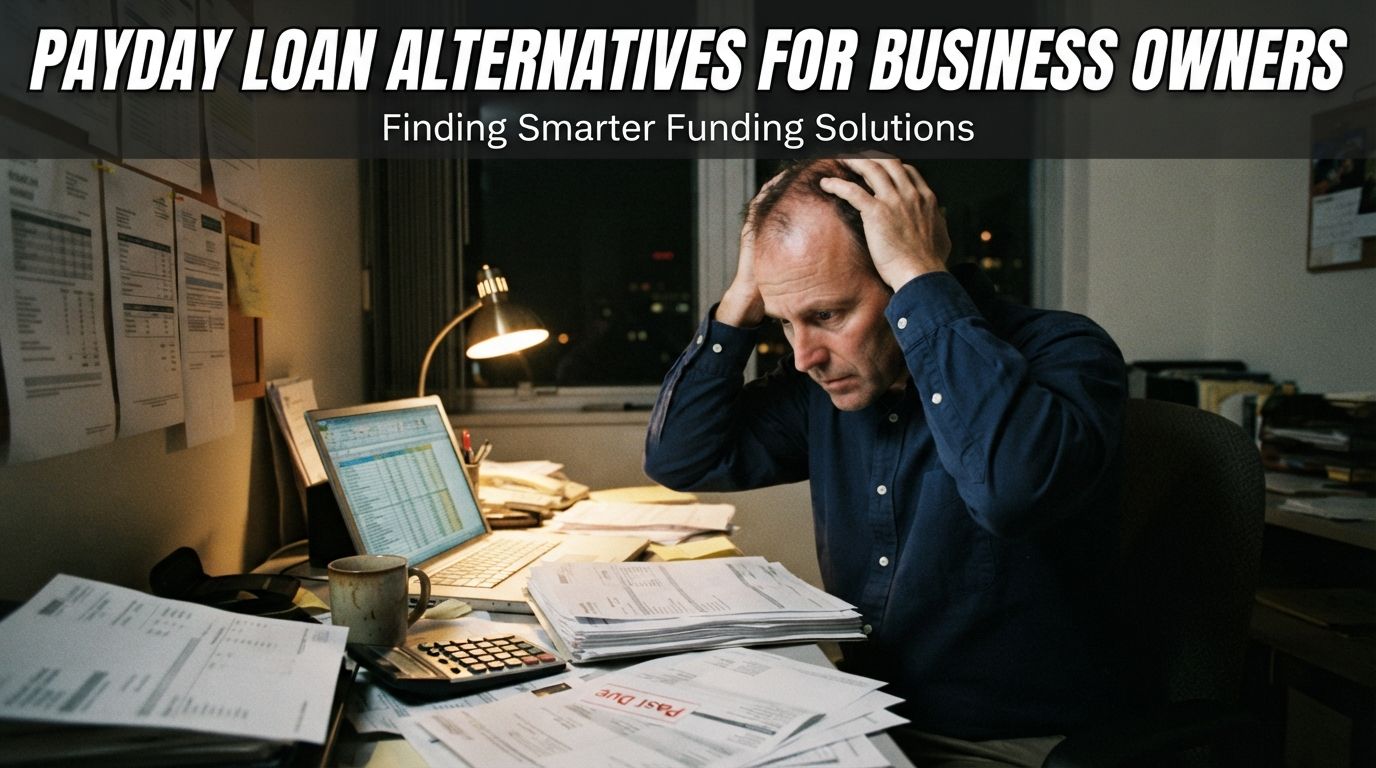
Many small business owners have faced that stomach-dropping moment: a major client payment is late, payroll is due tomorrow, and the bank account is running dry. In desperation, some turn to payday loans-a form of high interest, short-term borrowing designed for individuals-to plug an urgent business gap. This article explores why that route is almost always a costly mistake, and what commercial finance alternatives can do the job better.
Introduction: Should Business Owners Ever Use Payday Loans?
A payday loan is a small, unsecured loan typically repaid from the borrower's next income. Some sole traders and micro business owners consider them when cash flow gaps become critical. Using payday loans for business purposes carries severe financial risks, and they should be treated as a last-resort option due to very high costs and rigid short terms.
- This article is written from FundingSearch's UK commercial finance perspective, focusing on safer alternatives such as business loans, merchant cash advances, invoice finance, and asset finance.
- Approximately £23.4 billion in late invoices are owed to UK businesses, creating intense pressure that drives many small businesses toward quick cash advance products.
- While payday loans can bridge cash flow gaps for small businesses in the short term, the cost of doing so is almost always disproportionate.
- Business owners often seek high-speed short-term commercial financing options, and this article walks through how payday loans work, their risks, better loan types to consider, and how platforms like FundingSearch help you find the right lender fast.

What Is a Payday Loan for Business Owners?
In plain terms, a payday loan is a small-amount, short-term loan with a very high APR, usually repaid by the borrower's next pay date. In the UK, payday lending is classified as high-cost short-term credit (HCSTC) by the FCA.
- Payday loans are designed for individuals, but some sole traders and micro small businesses use them as de facto business funding when they can't access mainstream credit quickly enough.
- Typical loan sizes range from £100 to £1,000 in the UK. In the US, weekend payday loans can provide up to $1,500 quickly, and standard payday loans can provide up to $1,000 within 24 hours.
- Repayment windows are usually 14 to 35 days-far shorter than any mainstream business loan.
- Payday loans often have APRs exceeding 400%, and UK data shows representative APRs frequently surpass 1,200% once all fees are calculated.
- Payday loans are unsecured and require minimal documentation. A payday lender often focuses on cash flow rather than credit scores, making them accessible but dangerous.
- They differ from mainstream business loans and commercial cash advance products, which are regulated differently and structured around business cash flow cycles.
- In the UK, FCA rules impose a daily cost cap of 0.8% and a total cost cap of 100% on HCSTC. Some US states ban or heavily restrict payday lending altogether.
Example: A sole-trader builder has just paid wages but a major invoice from a client is delayed by four weeks. He needs £800 for materials to start a new job this week. He takes out a payday loan repayable in 30 days. The loan fills the immediate gap, but at a cost of around £190 in fees-money that directly eats into his profit on the job.
When Do Small Businesses Consider Payday Loans?
The trigger is almost always a timing mismatch: money is expected later, but bills are due now. Many small businesses and sole traders turn to instant borrowing when they feel they have no other option.
- An emergency equipment repair that cannot wait-a broken delivery van, a failed oven in a café, essential tools for a construction job.
- Covering payroll this week when a major client's payment is 30 days overdue. A Shawbrook survey found 71% of SME decision-makers used personal finances to fund business needs, and 39% used a personal loan.
- Paying a vital supplier who threatens to withhold inventory unless current bills are settled immediately.
- Over a bank holiday weekend, traditional banks are closed and a critical piece of equipment fails. Cash advances can be approved within a matter of days-or even hours-making them tempting under pressure.
- Short repayment windows can create cash flow pressure for businesses, turning a one-off emergency into a recurring problem.
- For context, 40% of Americans struggle to cover a $400 unexpected expense-showing how thin the margin is for many small business owners globally.
Many owners mix personal and business finances, using personal payday loans to plug business gaps. This is risky: it affects your personal credit score, creates tax complications, and can prevent you from accessing appropriately structured business finance in the future. These situations are usually a symptom of deeper working capital problems, not just bad luck.

Key Risks of Payday Loans for Business Owners
If you're considering a payday loan for your business, understand the real cost before you sign anything.
- The cost is extreme. High interest rates on payday loans, when annualised, can range from 300% to 1,500% or more. High-cost short-term financing options feature steep factor rates that compound rapidly if you can't repay on time.
- Short-term high-interest loans can trap businesses in a cycle of debt. If the business cannot repay by the due date, rollovers and extensions pile on more money owed in fees, creating a spiral that is hard to escape.
- Many high-cost alternative lenders require personal guarantees for loans. If you're a sole trader or director personally guaranteeing a consumer payday loan used for business, your personal assets and credit are on the line.
- Not all lenders for high-cost financing are regulated by financial authorities. Unregulated or offshore lenders may charge above legal caps and offer no dispute resolution.
- Relying on payday loans can affect how future lenders or investors view your bank statements, signalling financial distress and making it harder to access better rates later.
- Multiple rapid loan applications can negatively impact a business's credit profile, closing doors to the funding you actually need.
- Businesses facing ongoing cash shortages should avoid high-cost borrowing entirely-it treats the symptom, not the cause.
Example: You take a £500 payday loan at a typical 0.8% daily fee. Over 30 days that costs £120 in interest. If you can't repay and roll over twice, the total cost approaches £360 in fees alone on a £500 debt-and the original balance is still outstanding.
Business-Friendly Alternatives to Payday Loans
There are multiple commercial finance options specifically designed around business cash flow, risk, and regulation. Before reaching for a payday loan, consider these loan types:
- Unsecured business loans: No collateral required. Unsecured business loans do not require collateral or business assets, with typical APRs of 8–25% and terms of 1–5 years. Short-term business loans are typically repaid over 3 to 24 months.
- Secured business loans: Secured business loans require collateral tied to an asset-such as property, equipment, or stock-reducing the lender's risk and your interest rates.
- Overdrafts and revolving credit: Flexible credit lines where you only pay interest on the amount drawn. Useful for managing short-term cash flow fluctuations and covering bills without a fixed repayment lump sum.
- Merchant cash advances: A lump sum repaid via a percentage of future card sales. Factor rates in the UK typically range from 1.1× to 1.5×. Suited to card-heavy retail and hospitality businesses.
- Invoice finance: Invoice finance lets businesses borrow against unpaid customer invoices, releasing funds tied up in 30–90 day payment terms. Usage reached approximately £11 billion in the UK by 2024.
- Asset finance: Asset finance is a type of secured business loan for equipment. You fund the purchase of vehicles, machinery, or technology and repay over the asset's useful life.
- Peer-to-peer lending: Platforms like Funding Circle and other P2P providers often provide unsecured business loans with competitive rates, connecting borrowers directly with investors. Short-term cash flow loans are based on past and forecasted cash flow.
- Funding alternatives like business lines of credit and invoice financing are available through brokers and platforms, offering minimal fees relative to payday products.
FundingSearch's SME lending deal origination platform focuses on these commercial products-not consumer payday lending-giving you access to finance that matches how revenue actually flows into your business.
Comparing Payday Loans to Other Cash Advance Options
The term "cash advance" can mean several things, and it's important not to confuse them. Cash advances are short-term loans with high interest rates, but the specific product matters enormously.
- Credit card cash advance: The average APR for credit card cash advances is 24%-far lower than a payday loan, but still costly. Cash advances often have separate credit limits from regular credit limits, and fees typically apply on top of interest.
- Merchant cash advance (MCA): Merchant cash advances are repaid through a percentage of sales, meaning repayments flex with your revenue. A holdback percentage of 8–20% of daily card takings is typical. This suits businesses with strong, consistent card turnover.
- Payday loans: Fixed repayment by a set date, no flexibility, and the highest cost per pound borrowed of any common product. Repayments on short-term loans may be automated on a daily or weekly basis, leaving less room for error.
- VAT or tax funding: Structured around recurring tax obligations, these are cheaper and better matched to predictable outflows than payday loans.
The subject comes down to fit. Card-heavy retail businesses may find MCAs align well with their cash flow. Invoice-based B2B service firms benefit from invoice finance. The point is to match the product to your revenue pattern, not grab the first advance you qualify for. Business-focused cash advance products still carry higher costs than bank term loans, but they are generally more appropriate than personal payday loans for business needs.
How to Choose the Right Lender and Product (Instead of a Payday Loan)
Finding the right lender starts with understanding your own situation. Here's a practical checklist:
- How quickly do you need funds? If it's genuinely urgent, quick business loans and MCAs can deliver within days without the risks of payday borrowing.
- What loan amount do you need, and for how long? A £2,000 gap over 60 days needs a different product than a £50,000 investment over two years.
- How predictable is your future revenue? Lenders assess annual revenue, trading history, and sector risk to determine what they'll lend and at what cost.
- Look for transparent APR and fees, FCA authorisation (in the UK), and clear early-repayment terms. A reputable lender will never pressure you into a deal that doesn't fit.
- Compare traditional banks and specialist alternative finance providers. An origination platform or broader business and commercial lending platform can match you with multiple lenders based on sector, turnover, and security available-without duplicate hard credit checks.
- Avoid red flags: pressure selling, unclear pricing, mandatory add-on products, or lenders pushing personal payday loans for business use. If a site won't clearly show you the total cost before you commit, walk away.
Using Data and Marketplaces Like FundingSearch to Secure Better Business Loans
The rise of open finance and verified data is changing how small businesses access commercial funding. Instead of filling in the same forms for every lender, platforms like FundingSearch let you log into a single digital profile and get matched.
- FundingSearch is a UK B2B commercial finance lending platform and deal origination solution connecting SMEs, commercial finance brokers, and lenders across seven asset classes: business loans, commercial mortgages, bridging, invoice finance, asset finance, asset-based lending, and trade finance.
- Verified financial data integrations-Xero, Sage, Companies House-give lenders a clearer, real-time picture of your account activity than a payday-style application based on minimal information. This helps borrowers qualify for better rates.
- AI-driven matching helps your broker or accountant assist you in quickly identifying suitable products, especially when they use commercial finance broker software, so you aren't submitting applications to every lender on every website and damaging your credit profile.
- Benefits for time-poor owners: one digital profile, quicker indicative decisions, and more chance of finding an affordable product that aligns with how you earn and pay.
- Whether you access FundingSearch directly or through your broker, the goal is the same-invest time in finding the right commercial finance rather than defaulting to a payday lender out of panic.
Practical Cash Flow Tips to Reduce Reliance on Payday Loans
Better planning reduces the chance you'll ever need to consider a payday loan. Here are strategies that actually work:
- Tighten credit control. Chase overdue invoices systematically, set clear payment terms with customers, and consider offering small early-payment discounts to accelerate cash coming in.
- Build a 1–3 month cash buffer inside the business. Even a modest emergency fund of one month's fixed costs-rent, payroll, key supplier bills-can cover most short-term shocks without external borrowing.
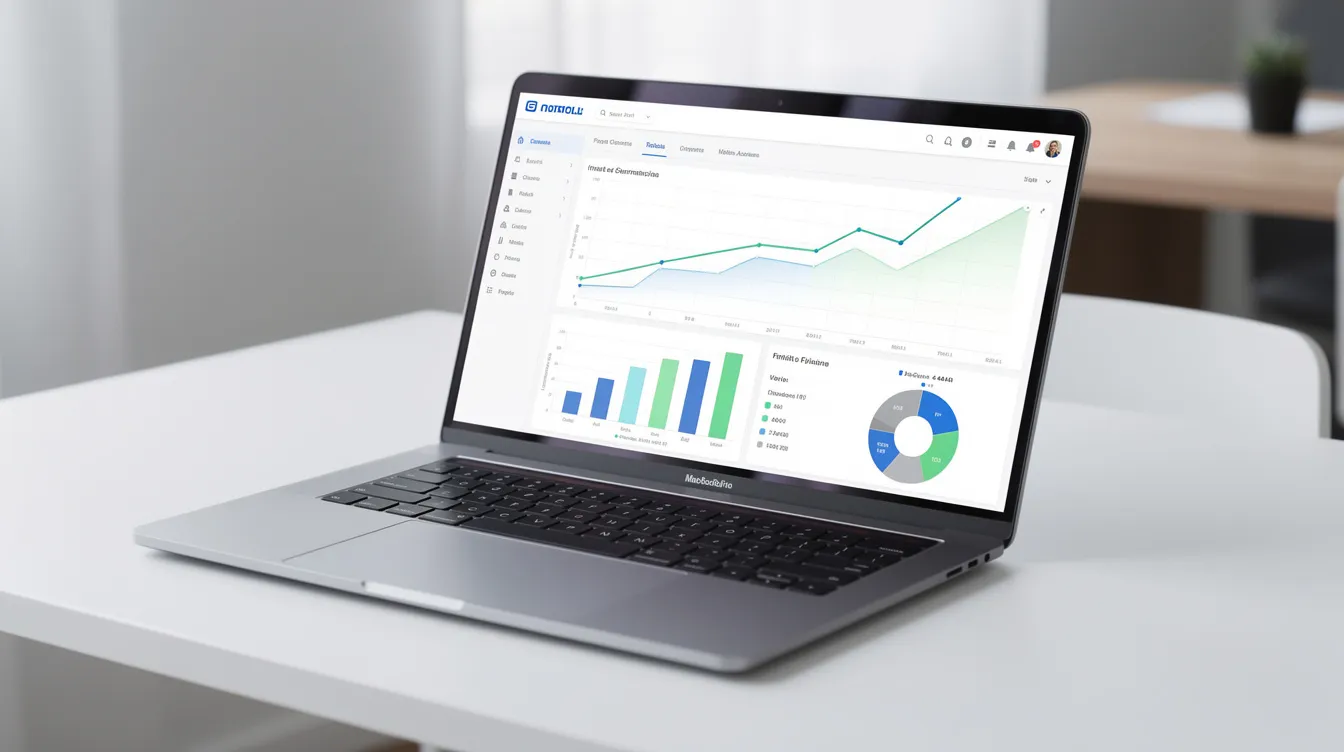
- Forecast cash flow weekly, not monthly. Use cloud accounting tools like Xero or Sage to monitor your real-time cash position and connect this data to funding options through platforms like FundingSearch or other fintech innovations in commercial finance. Managing cash flow proactively is how you grow your business sustainably.
- Separate personal and business finances completely. A dedicated business account makes it easier to budget, track, and demonstrate financial health to lenders.
- Speak with a commercial finance broker or accountant early-before a crisis forces you into expensive short-term debt, and ensure they have access to finance sourcing software for brokers. Seeking help before you're under pressure gives you more money options and negotiating power.
The goal is to move from firefighting every month to a position where you have the tools, data, and relationships to access finance on your terms.
Summary and Next Steps for Business Owners
- Payday loans are expensive last-resort tools that can trap your business in a cycle of debt. The challenge they solve is real, but the cost is disproportionate.
- Better loan types exist-unsecured business loans, invoice finance, MCAs, asset finance-each designed around how businesses actually earn and spend.
- Data-driven marketplaces like FundingSearch help you match with the right commercial lender quickly, without the risk and cost of payday borrowing.
- Review your current cash flow position and funding needs now, before you're under severe time pressure. Don't rely on recent comments or hearsay-speak to regulated advisers and use trusted fintech platforms.
- Responsible borrowing and long-term planning are how you protect your profit, cover your urgent needs, and build a business that lasts. Explore your options through FundingSearch today, via your broker, accountant, or directly on the platform.